

Why Regular Maintenance Reduces the Need for Emergency Truck Repairs for Hawkesbury, NSW
May 11, 2026
For commercial operators keeping a truck on the road is not just a matter of convenience. It is a direct factor in how much money the business makes. Unplanned breakdowns can halt deliveries, affect customer relationships, and lead to costly truck repairs serving Hawkesbury, NSW, that could have been avoided with a proactive approach to vehicle care. Understanding how regular maintenance works is one of the most practical things an operator can do.
What Preventative Maintenance Actually Involves
Preventative maintenance is a scheduled programme of inspections and servicing carried out before problems develop. It is not the same as fixing something once it has already broken. Instead, it is a systematic approach that keeps every major system on the vehicle in a known and safe condition.
A typical preventative maintenance schedule for a commercial truck includes the following:
- Engine oil and filter changes at manufacturer-specified intervals.
- Coolant system checks to prevent overheating in warmer months.
- Brake system inspections, including pad wear, drum condition, and fluid amounts.
- Tyre pressure checks and rotation to promote even wear.
- Gearbox and drivetrain fluid inspections to catch early signs of wear.
- Air filter replacements to protect engine performance.
- Electrical system checks, including battery, alternator, and wiring integrity.
- Fuel system inspections to ensure clean delivery and optimal combustion.
Each of these tasks takes a fraction of the time and cost compared to repairing the failure that results from neglecting them. Operators who skip scheduled servicing consistently find themselves facing truck repairs that are far more extensive and disruptive than anything a routine check would have caught.
Why the Hawkesbury, NSW, Region Creates Specific Demands on Heavy Vehicles
Hawkesbury, NSW, sits in a region where trucks face a range of demanding conditions. Vehicles travelling routes between Windsor, Richmond, Kurrajong, and surrounding areas encounter varied terrain, including hills, tight rural roads, and areas prone to flooding or heat stress during summer.
These conditions place extra strain on brakes, cooling systems, and tyres. A truck that operates regularly on hilly routes will wear its brakes faster than one on flat urban routes. A vehicle without a properly maintained cooling system is at higher risk during the warmer months that Hawkesbury, NSW, regularly experiences. Knowing these local factors makes it easier to build a maintenance schedule that fits the demands placed on the vehicle.
The Real Cost Difference Between Planned Servicing and Emergency Repairs
The gap between what operators spend on routine servicing and what they pay for emergency truck repairs is significant, and understanding that gap is one of the clearest reasons to prioritise a structured maintenance programme.
Labour and Parts Costs Escalate Quickly in an Emergency
When a component fails unexpectedly, the cost is almost always higher than if the same part had been replaced during a scheduled service. Emergency truck repairs often require faster parts sourcing, priority labour allocation, and in some cases, towing fees. A brake calliper replacement during a routine service, for example, is a straightforward job. The same repair following a brake failure on the road can involve additional damage to rotors, drums, and surrounding components.
Downtime Is a Hidden but Significant Expense
Every hour a truck sits in a workshop unexpectedly is an hour it is not earning. For operators running regular delivery routes or contracted freight, that downtime translates directly to lost revenue and potential penalty costs if delivery agreements are not met. Planned servicing, by contrast, can be scheduled around operational needs, minimising disruption to the business.
Fleet Insurance and Finance Considerations
Some fleet insurance policies and equipment finance agreements require documented evidence of regular servicing. Failing to keep up with scheduled maintenance can affect claims or breach finance conditions. Keeping accurate service records protects operators in more ways than just truck repairs
.
Safety Compliance and Heavy Vehicle Standards in NSW
Commercial truck operators in NSW are subject to the Heavy Vehicle National Law (HVNL), which places legal obligations on operators, schedulers, and maintainers to ensure vehicles are safe and roadworthy. The National Heavy Vehicle Regulator (NHVR) enforces these standards across the industry.
The Consequences of Operating an Unroadworthy Vehicle
Operating a truck that does not meet roadworthiness standards can result in:
- Infringement notices and significant fines issued by roadside inspectors.
- Defect notices that take the vehicle off the road immediately.
- Potential legal liability if a vehicle in poor condition is involved in an incident.
- Reputational damage that affects contracts and business relationships.
Logbook Servicing and Manufacturer Schedules
Following the manufacturer-recommended service schedule is one of the clearest ways to demonstrate compliance and due diligence. Logbook servicing creates a documented trail showing that the vehicle has been maintained correctly. This matters during licensing renewals, insurance assessments, and any regulatory review.
Building a Practical Maintenance Schedule for Your Fleet
Not all trucks operate the same way, so a maintenance schedule needs to reflect actual usage. Here are the key factors to consider when building one before the need for truck repairs:
- Kilometres travelled per week, since high-mileage vehicles need more frequent attention.
- Load types, because vehicles carrying heavy or specialised loads place greater stress on suspension and brakes.
- Age of the vehicle, as older trucks may need more frequent inspections of wear-prone components.
- Operating conditions, including regular use on rural roads, steep terrain, or high-dust environments.
- Manufacturer service intervals, which should form the baseline of any schedule.
Many fleet operators work with a trusted mechanic to set up a rolling schedule that ensures no vehicle goes beyond its service due date. This is far more manageable than reacting to truck repairs as they occur.
Common Truck Systems That Benefit Most From Regular Attention
Across any commercial fleet, certain systems carry a disproportionate share of the workload and are the most likely sources of unexpected truck repairs when they are not kept in check.
Braking Systems
Brake systems on commercial trucks carry enormous responsibility. They are also one of the systems most affected by load weight and terrain. Regular inspection of brake pads, drums, air lines, and hydraulic components can identify wear before it becomes a safety concern.
Engine and Cooling Systems
An engine running with degraded oil or a compromised cooling system is working harder than it should. Over time, this accelerates internal wear and the need for truck repairs. Regular oil changes and coolant checks keep operating temperatures in range and reduce internal friction.
Gearbox and Drivetrain
Gearbox issues often develop gradually. Early symptoms can include subtle changes in gear engagement, unusual noises, or minor fluid leaks. Catching these during a scheduled inspection allows for targeted repair rather than a full rebuild, which is considerably more expensive.
Electrical Systems
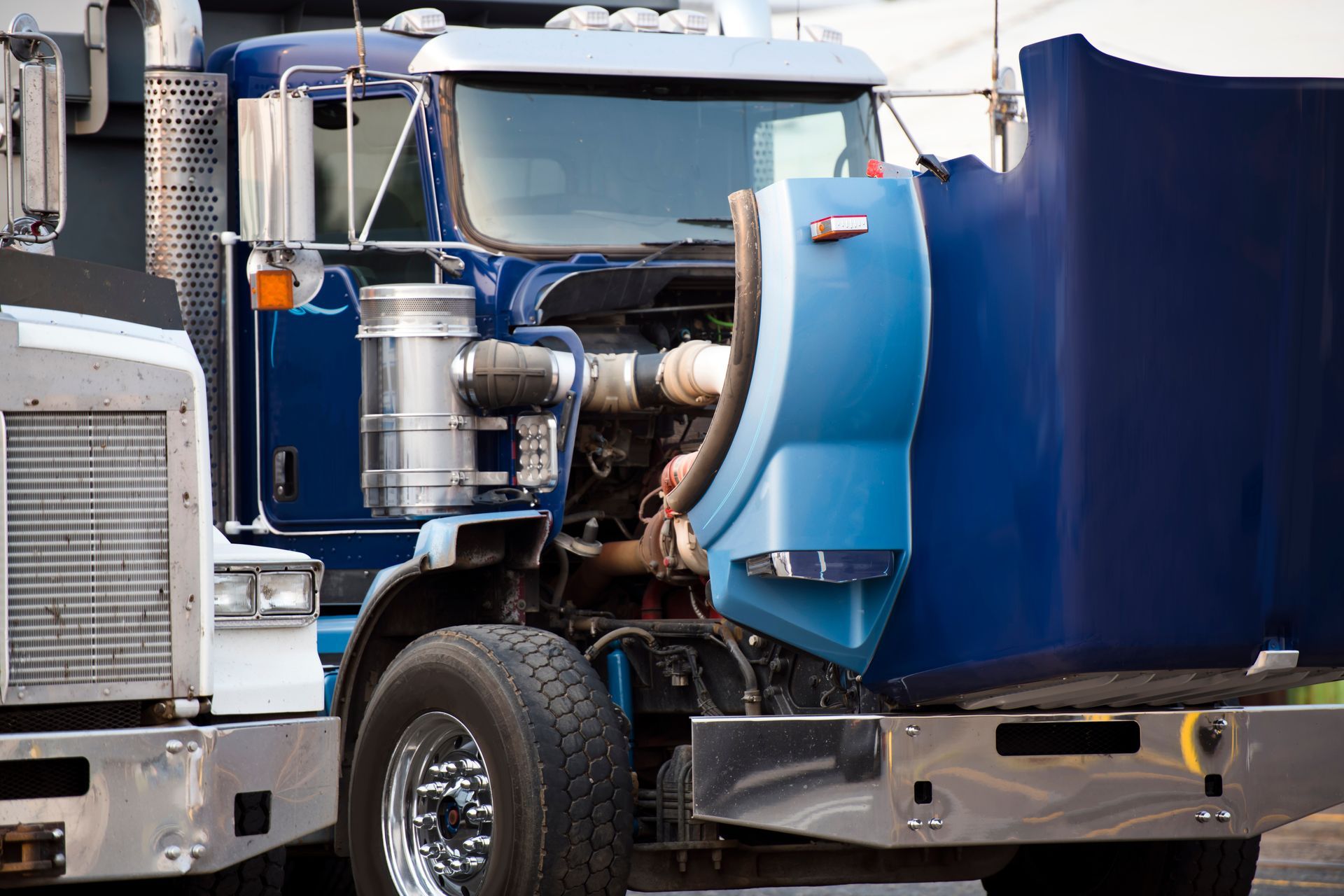
Modern trucks rely heavily on electronic systems for engine management, safety features, and diagnostics. Corroded connections, failing sensors, or a weakened battery can trigger unexpected faults that take the vehicle out of service. Routine electrical checks are a cost-effective way to stay ahead of these issues.
How to Get the Most From Your Maintenance Investment
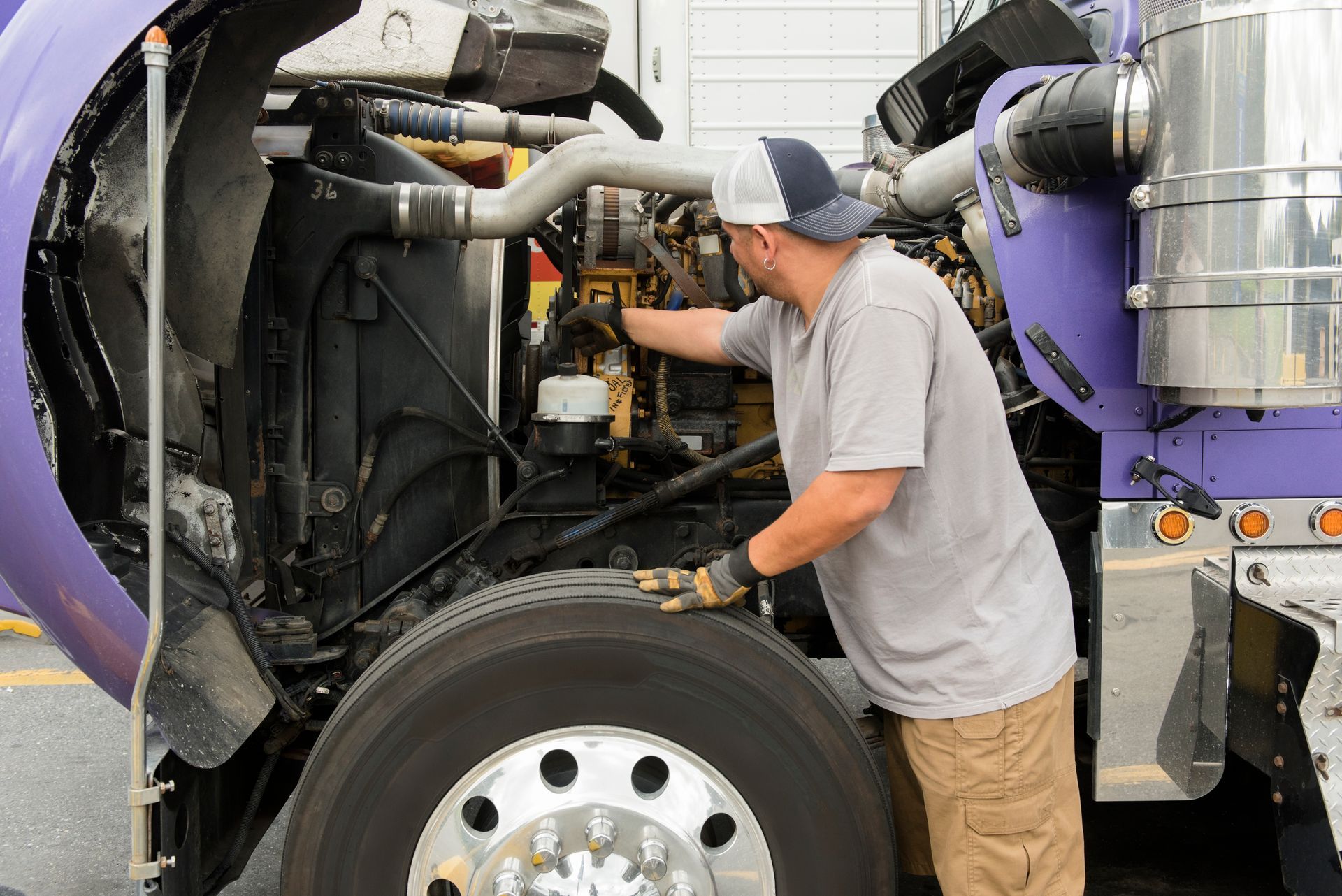
A maintenance programme only delivers value if it is followed consistently. Here are practical steps to help operators stay on track:
- Set service reminders based on kilometres and calendar dates, whichever comes first.
- Keep a dedicated service file for each vehicle in the fleet.
- Act on any warning lights or performance changes promptly, rather than waiting for scheduled service or truck repairs.
- Choose a mechanic familiar with the makes and models in your fleet to reduce diagnostic time.
- Review the schedule annually and adjust for changes in usage patterns or operating conditions.
For operators in Hawkesbury, NSW, finding a locally based specialist who understands the demands of the region makes the process much more straightforward. Accessing truck and bus servicing
from a workshop that knows the area means less travel time and faster turnaround when the vehicle is due.
When to Schedule Your Next Service
A good rule of thumb for commercial operators is to never let a vehicle reach a point where a service is overdue. If you are unsure of the status of a vehicle in your fleet, a basic inspection can quickly identify what attention is needed and how urgently.
Keeping a simple log of the last service date and the next due date for every vehicle takes minimal time but delivers significant operational benefit. If a truck is approaching its service interval, the right time to book is before the interval is reached, not after. Addressing minor issues at this stage is far less disruptive than dealing with unplanned truck repairs mid-route.
Operators looking to establish or review a maintenance programme can get in touch
with the team to discuss the servicing needs of their specific vehicles and fleet size.
Book a Service With Sieders Truck Repairs Today
Truck repairs do not have to be a source of ongoing stress and unexpected expense. When it comes to keeping commercial vehicles safe, compliant, and on the road, the team at Sieders Truck Repairs brings decades of hands-on experience in heavy vehicle servicing to every job. As a family-owned workshop, they understand the conditions local operators face. To book a service or discuss a maintenance schedule for your fleet, call 02 4577 5911
or visit the contact page
to get started.

Sieders Truck Repairs offers bus repairs serving Hawkesbury, NSW. Call 02 4577 5911 today for expert diagnostics and reliable service near you.
Need Truck Repairs in Hawkesbury? Contact Sieders Truck Repairs at 02 4577 5911 for fast, reliable service that keeps your vehicle running strong.